This combines known facts with LeonidaHQ interpretation. Strong claims should point to evidence.
Claim Type
Analysis
Confidence
Reasoned read
Map Status
Needs map follow-up
GTA 6 runs on the same studio DNA as Red Dead Redemption 2, and RDR2 quietly set a new standard for what an open world can feel like. If GTA 6 inherits one thing from it, it should be the systemic, reactive world — not a single flashy feature, but the web of small systems that made RDR2 feel alive.
What RDR2 Actually Nailed
RDR2's standout wasn't its story — it was the simulation underneath it. NPCs remembered you, reacted to your appearance, your weapon being drawn, the blood on your clothes. A robbery had witnesses who could report you; a bump in the street could spiral into a standoff. Add granular detail — item-by-item interactions, persistent horse bonding, weapons that needed cleaning — and the world stopped feeling like a backdrop.
Why GTA 6 Needs It
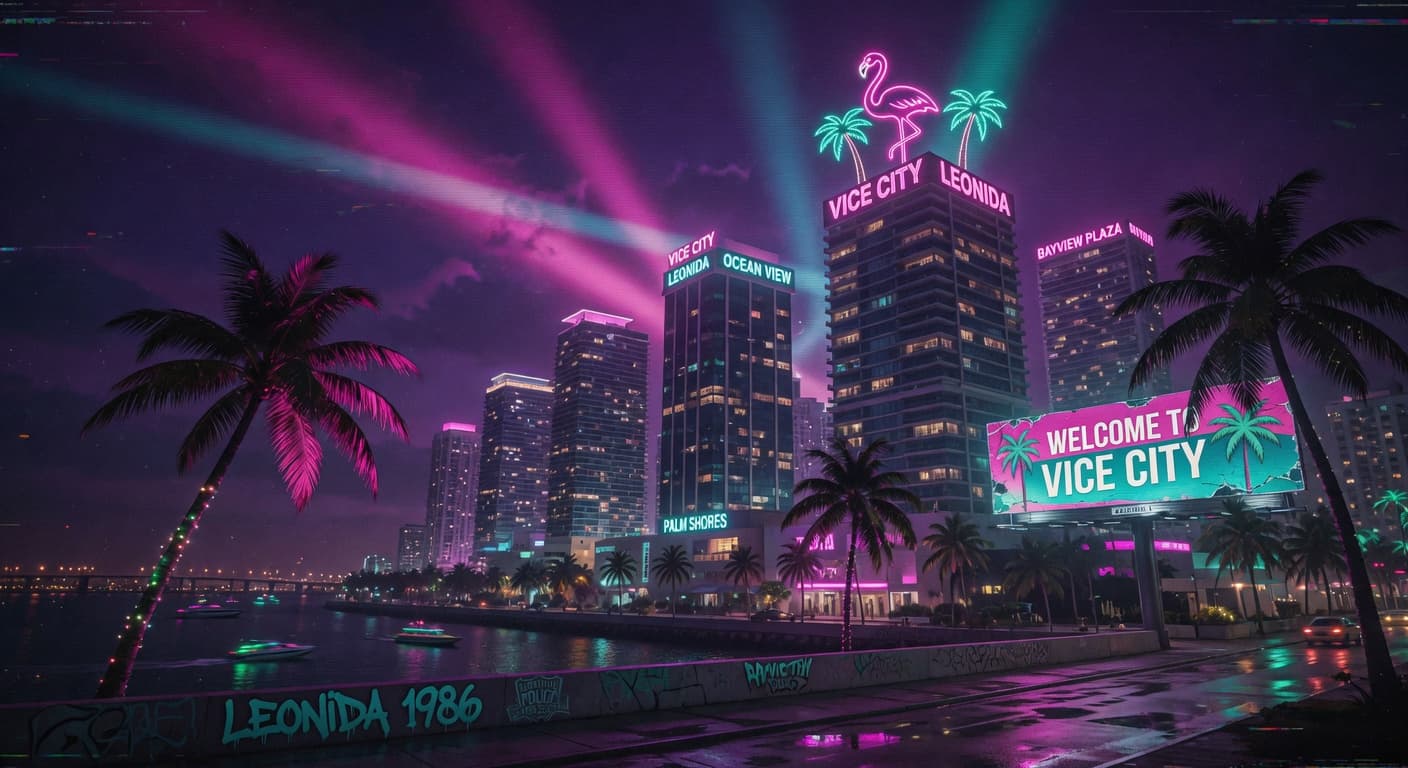
A modern Vice City filled with that level of reactivity would be staggering. Imagine NPCs and businesses that remember your reputation, witnesses and consequences that make crime feel weighty, and a city that responds to you instead of resetting. Rockstar has already proven it can build this; GTA 6 is the chance to bring it to a dense urban sandbox.
The Honest Take
None of this is confirmed for GTA 6. But the studio's own track record is the strongest hint — the tech exists, and fans are right to expect it.
For GTA 6 gameplay analysis, follow @viraltbf.
Keep the file moving
Get map updates and trailer intel before it lands anywhere else.
No spam. Unsubscribe any time.
Or follow @viraltbf for real-time drops.